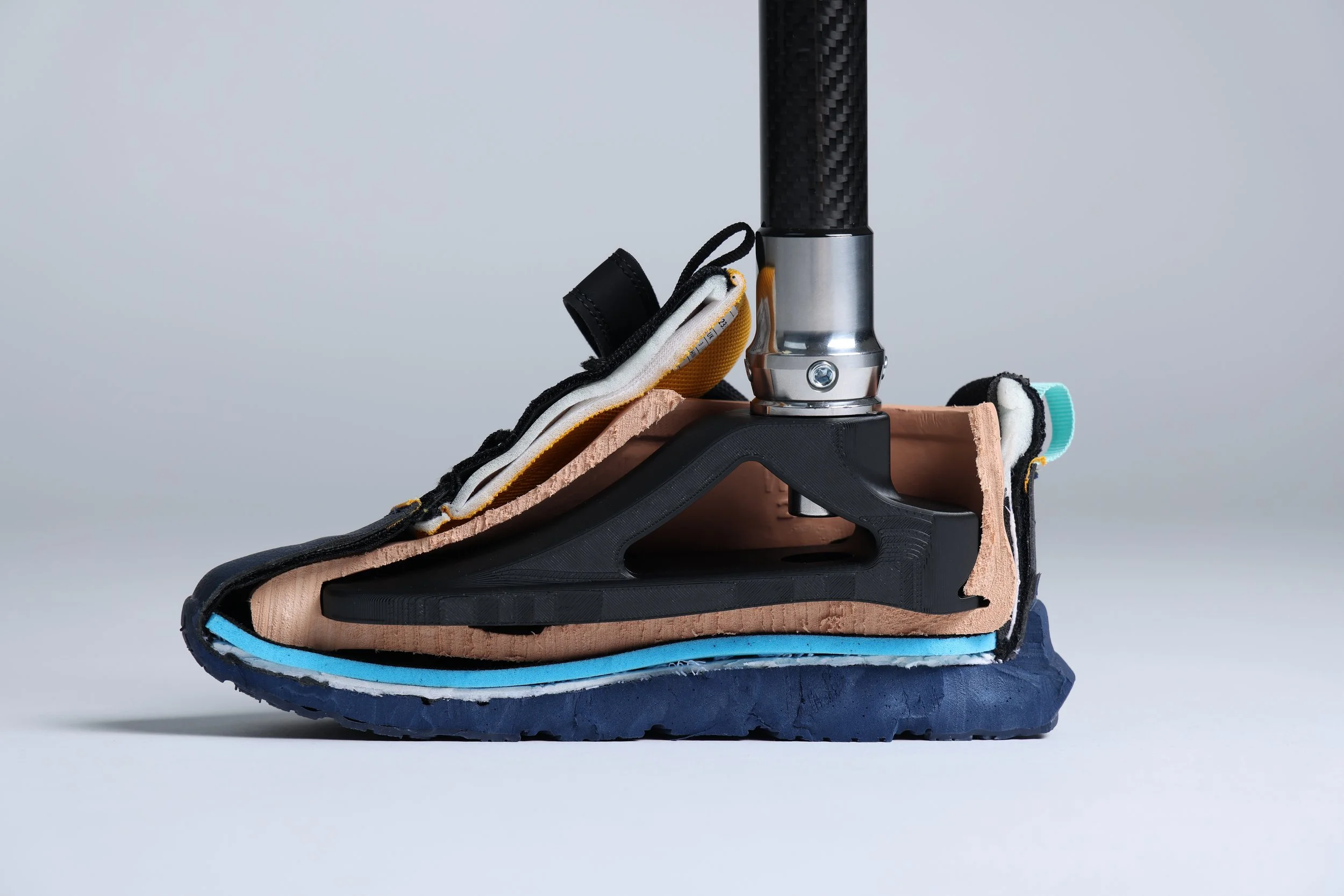
Foot Print
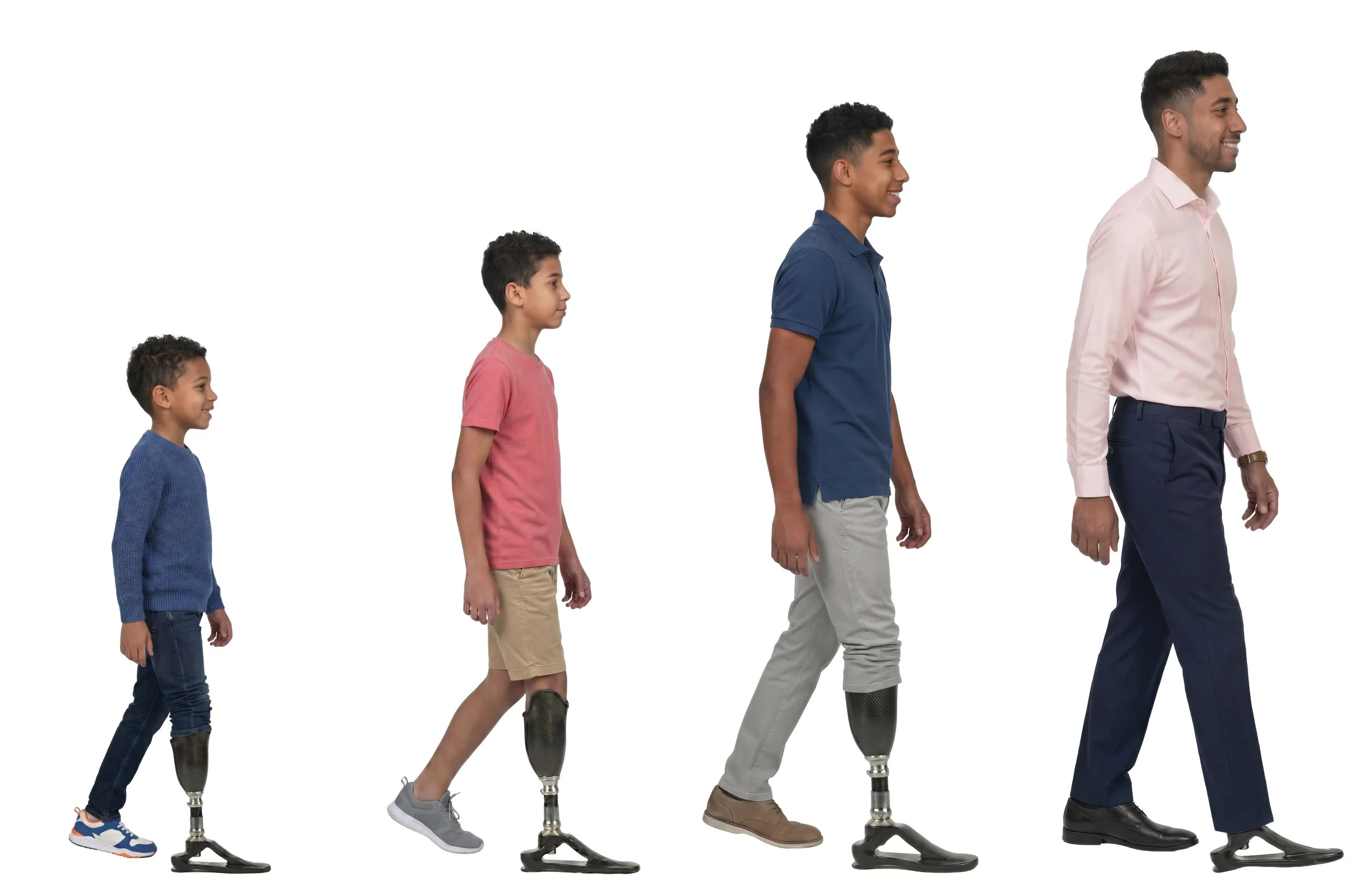
A child’s foot grows an average of 1cm to 1.5cm per year. For those that use foot prostheses, this can mean needing up to 10 different prostheses throughout a child’s growth. Current options are tailormade and take up to 6 weeks to receive from each consultation with a clinician. This delay leaves children with incorrectly sized prostheses for extended periods, potentially limiting their mobility and causing discomfort or injury.
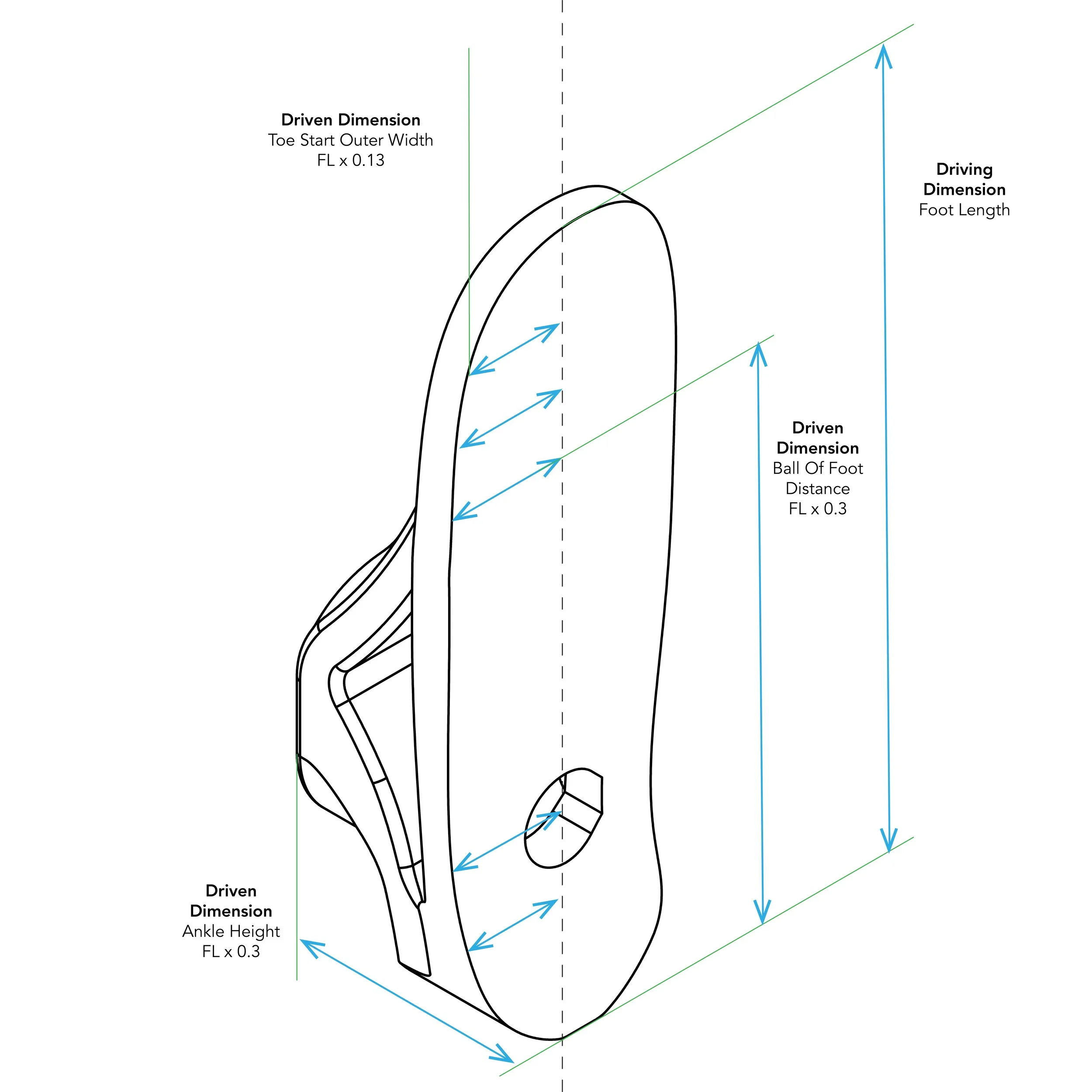
Utilising 3D printing, Foot Print offers a prosthesis 75% quicker to receive and 90% cheaper to buy. Designed and tested to meet industry standards, the parametric CAD model is easily customisable by clinicians as part of a prosthetic fitting assessment.
-
![Parametric CAD model means Foot Print Grows With The User]()
Parametric CAD Model Means Foot Print Grows With The User
-
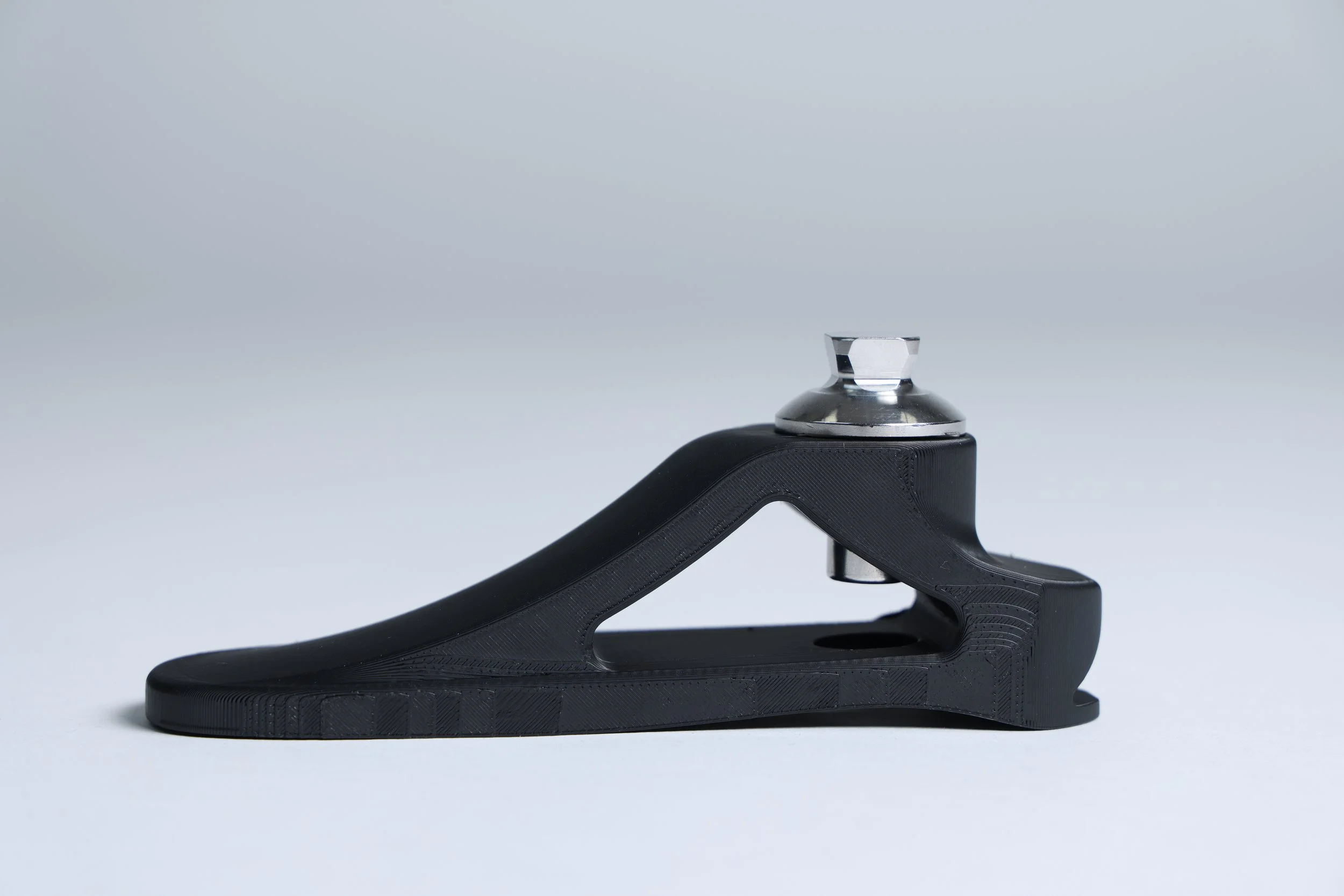
![PETG-HF Model Showing Pyramid Adapter]()
PETG-HF Model Showing Pyramid Adapter
-
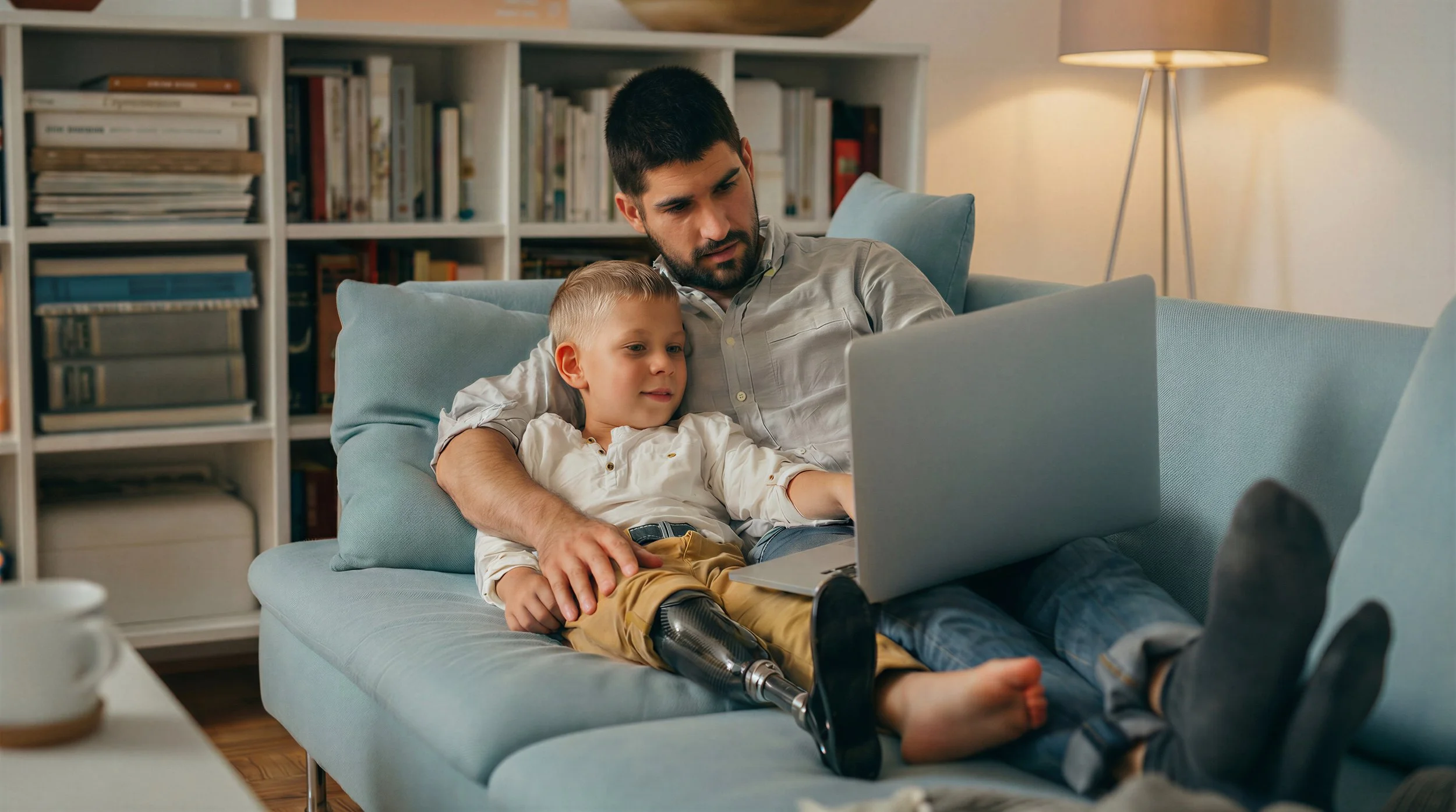
![Foot Print Allows For Comfort And Usage All Day]()
Foot Print Allows For Comfort And Usage All Day
The Data
With a size 3 prosthesis taking up to 300kg of force, Foot Print allows safe use for active users looking to break down the barriers they once faced.
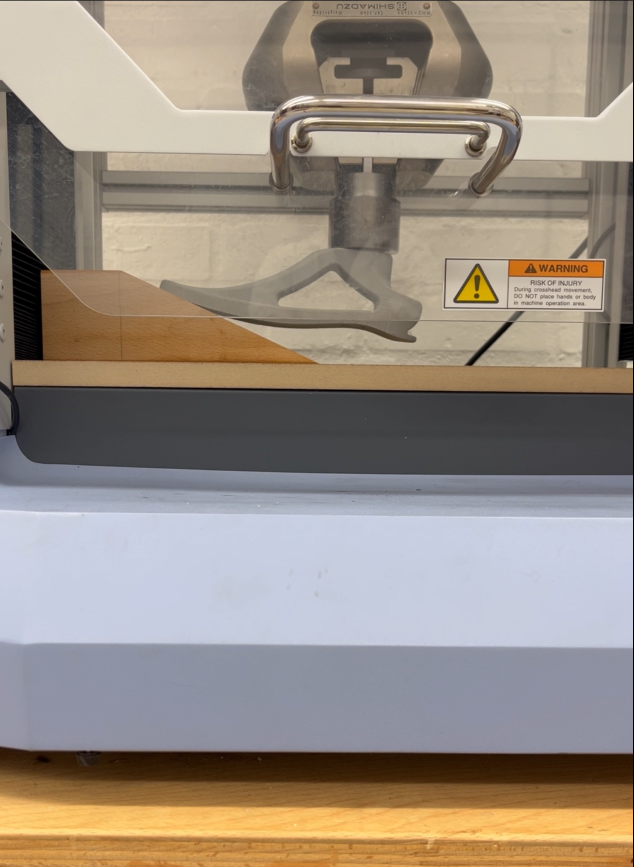
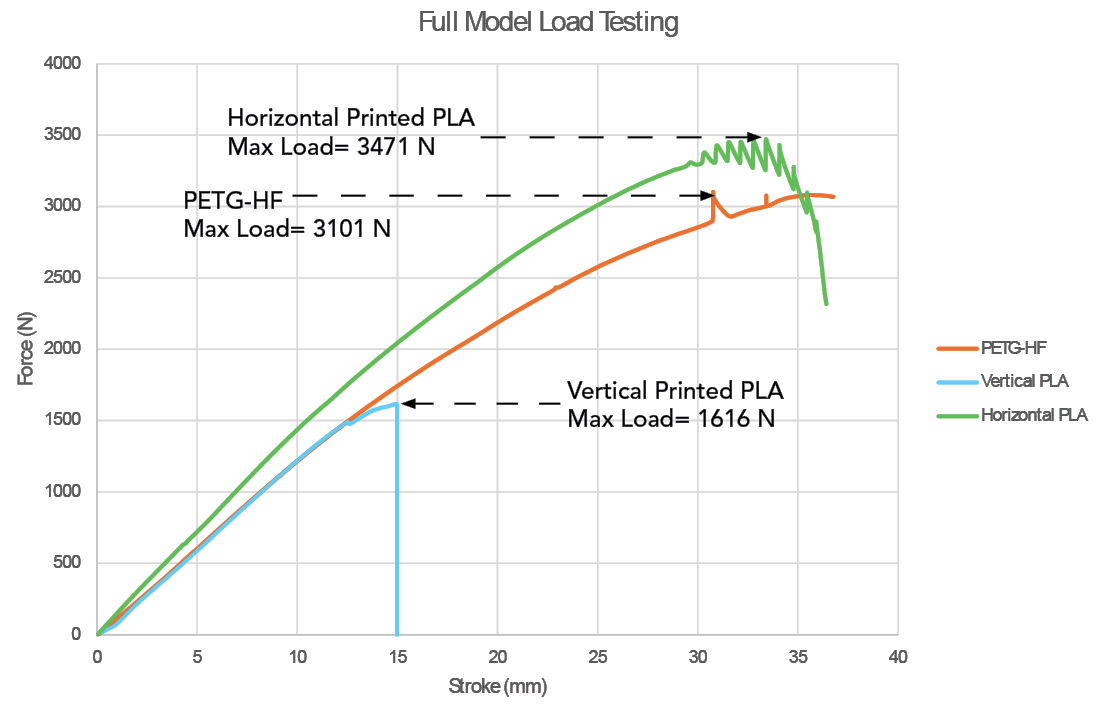
Designed for optimum strength, considering how forces are applied to the prosthesis, force redistribution and print settings to ensure reliable manufacture and use.
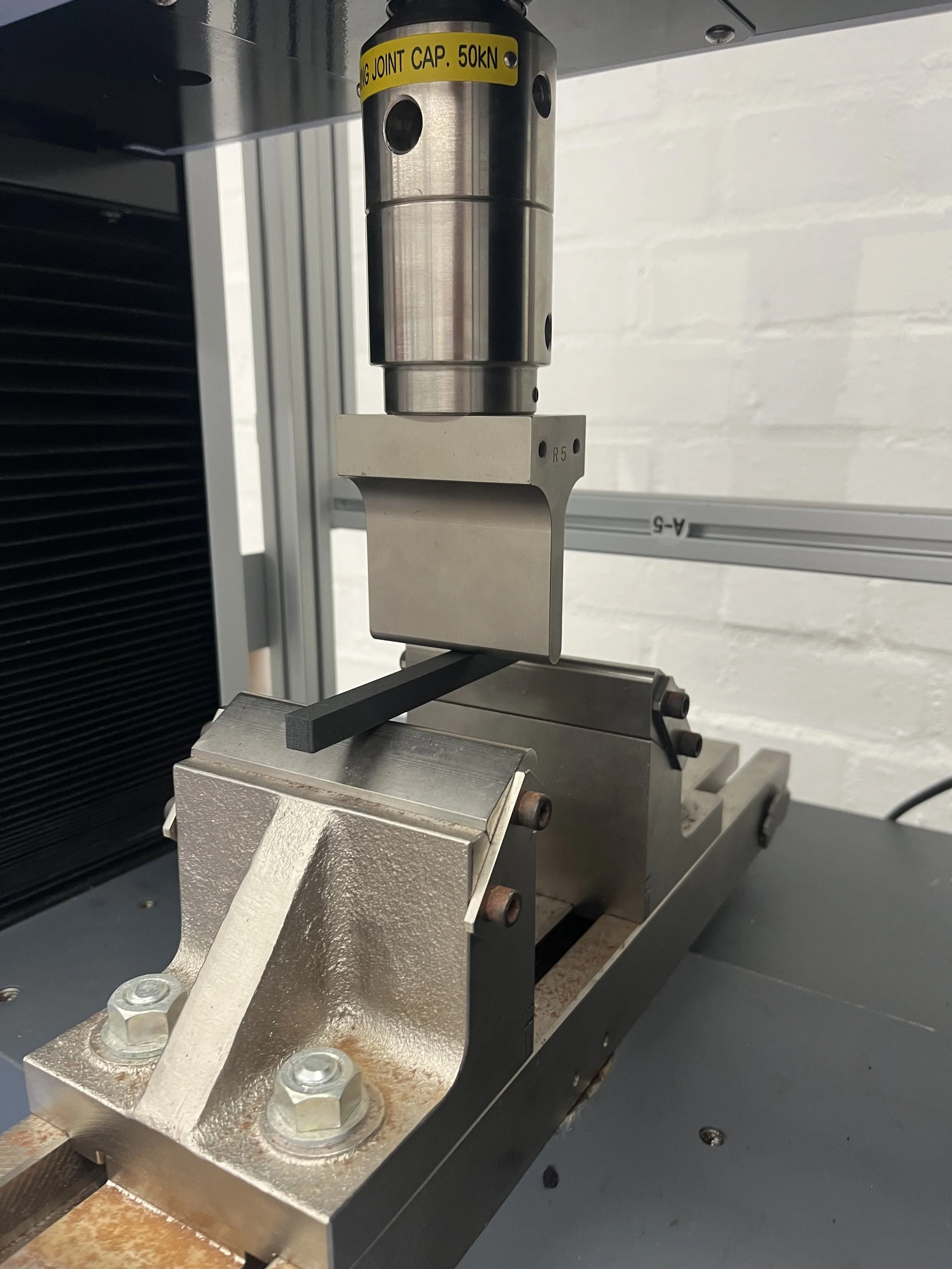
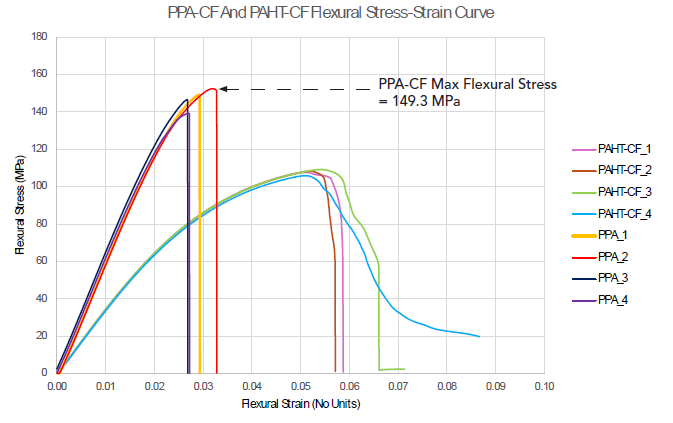
Understanding the key properties of 3D printed materials to determine the form of the prosthesis and set key requirements for the prosthesis to be considered safe.
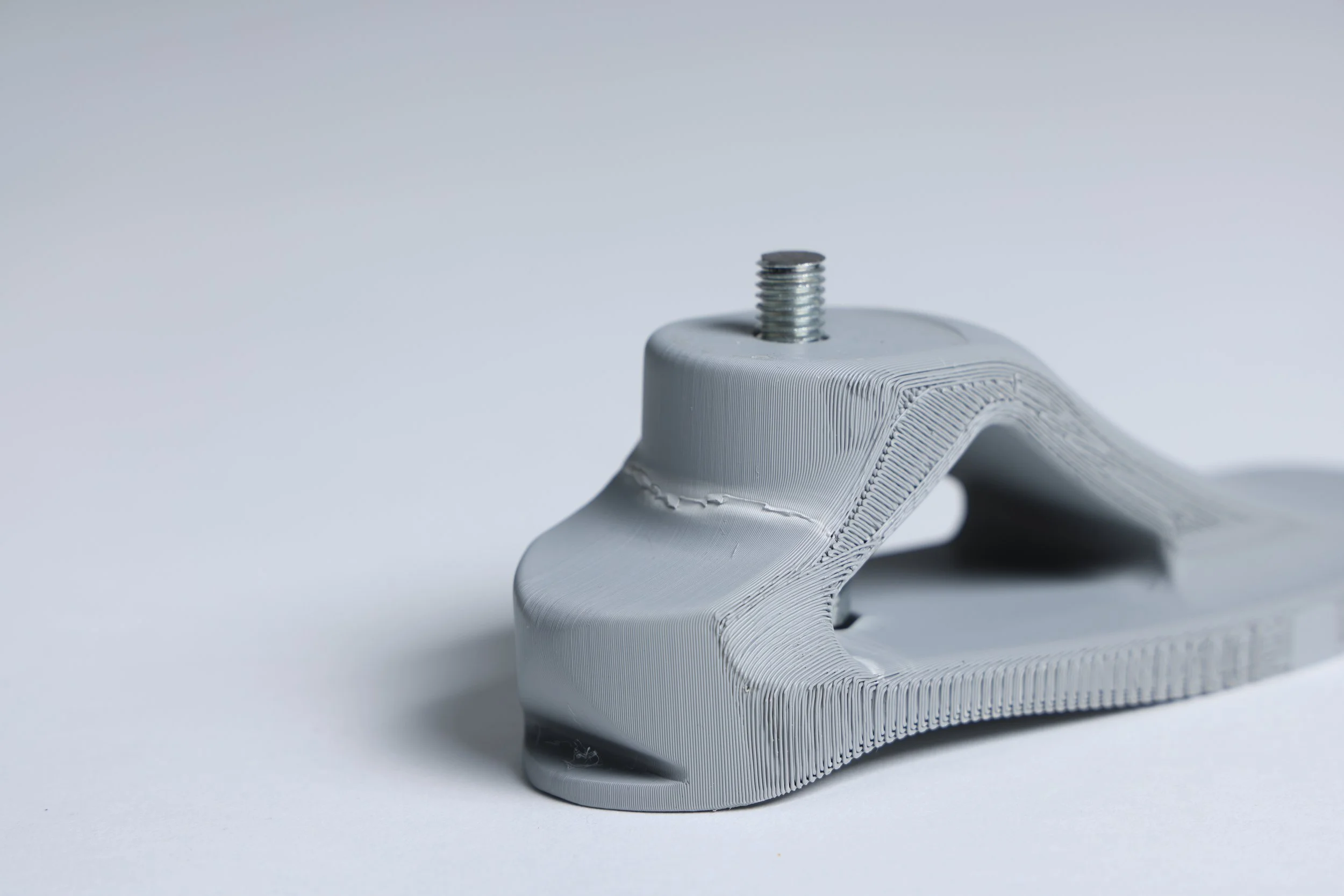
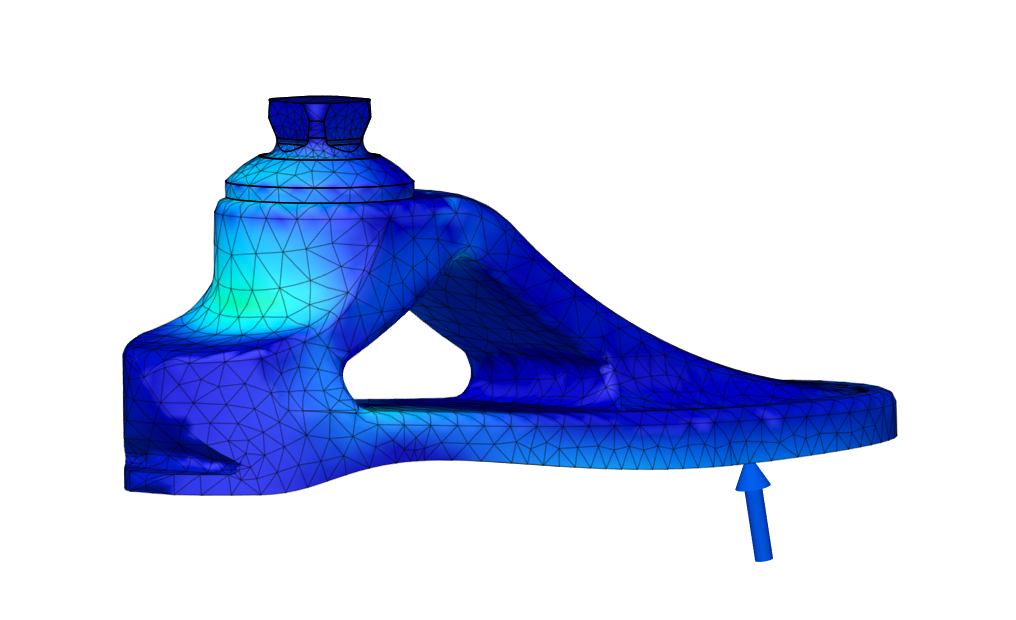
Utilising simulations for quick development of the prosthesis through understanding key areas of flexural and tensile stress.
The Result
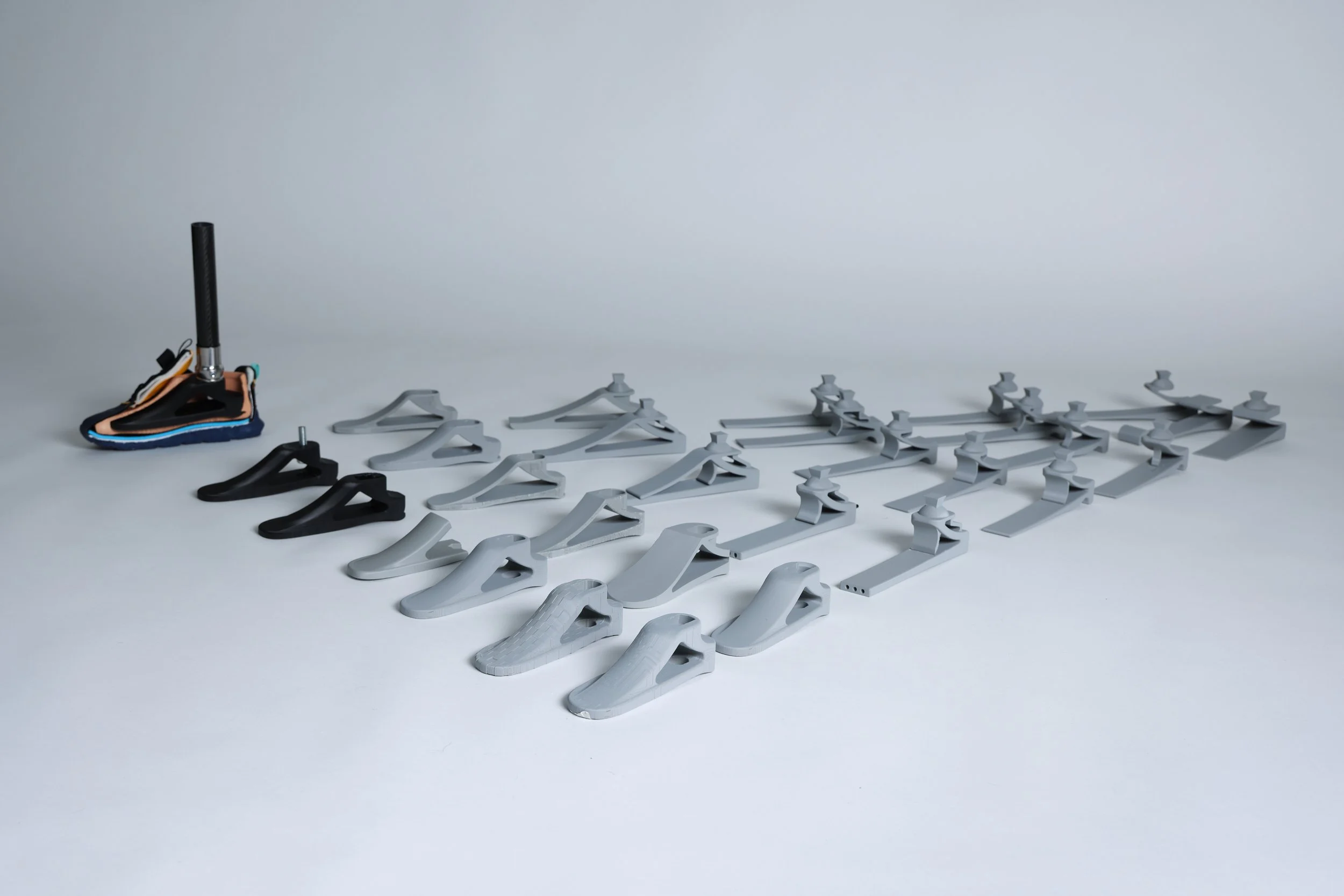
Design development included making and testing over 30 different versions, working with experts in design for disability and 3D printing materials.
The parametric model is driven by the foot length. Clinicians only take this one measurement of the abled foot and enter this into the CAD model, resulting in the model scaling proportionately and ready to manufacture straight away.